

Choosing a Blow Torch NZ Chefs Actually Use
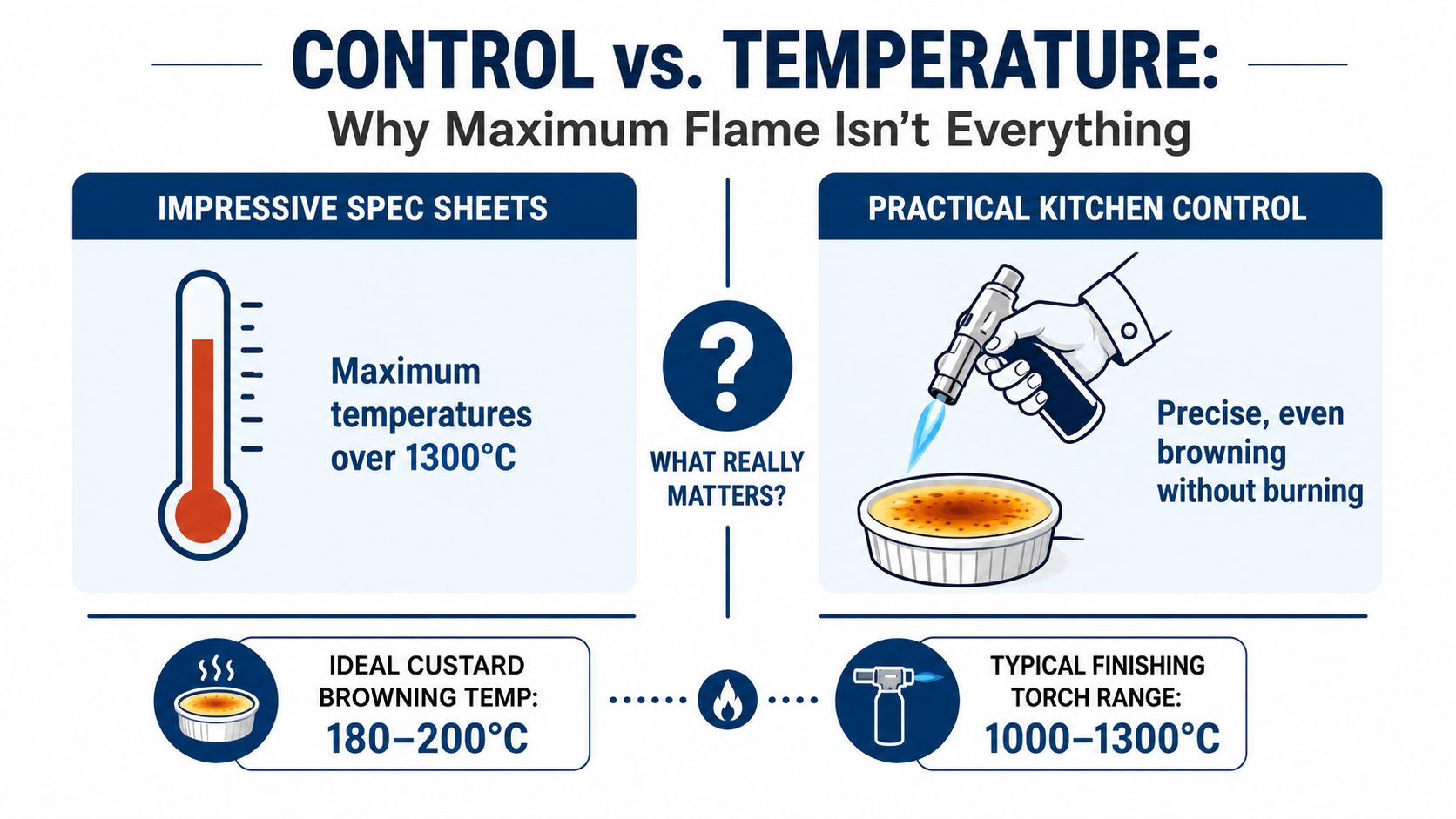
The most common mistake with a blow torch NZ operators buy is chasing the biggest flame on the spec sheet. In a commercial kitchen, that usually matters less than control, ignition reliability, and how the torch behaves after the third, fifth, or fifteenth dessert in service. A torch that can feather heat onto sugar, stop scorching at the edges, and fit cleanly into a kitchen's fuel routine is the one chefs keep using.
Why Control Beats Maximum Flame Temperature
A hot flame sounds impressive, but service work rarely needs brute force. Crème brûlée, meringue, sugar work, and light finishing all depend on how evenly heat is applied, not on how loudly a torch advertises its output. In practice, a chef needs a flame that can be held close for a delicate crust, then pulled back fast when the colour starts to run.
What matters during service
A culinary torch is judged by whether it stays predictable under pressure. Adjustable flame control is more useful than a big headline number because different foods need different heat patterns. Sugar on custard wants an even pass, while citrus peel or a quick glaze on fish needs a lighter touch and a shorter dwell time.
Practical rule: if the flame shape changes every time the trigger is pressed, service gets messy fast.
Cheap disposable lighters and rough torch heads can get food coloured, but they often force staff to work around the tool. A refillable torch with a stable flame lets the operator keep the torch moving and avoid hot spots. That makes a real difference when the pass is busy and desserts need to leave looking consistent.
Fuel flow affects control as much as heat
The fuel format matters too. In NZ kitchens, butane canisters commonly sit around 25 g/h to 35 g/h output, while LPG systems deliver a more sustained flow. That doesn't just affect runtime, it affects how the torch feels in the hand when the kitchen is repeating the same finish all evening.
For finishing work, the more controlled option is often the one with the steadier flame and better gas metering, not the one with the most aggressive burn. Chefs usually get a better result by adjusting distance, moving the flame steadily, and using just enough heat to complete the surface without digging heat into the food.
Blow Torch and Fuel Formats Used in NZ Kitchens
Different kitchens use different torch formats because the service pattern changes. A café finishing the odd dessert does not need the same setup as a pastry bench turning out repeated brûlées, and a pop-up or event caterer has different fuel constraints again. The right choice starts with how the torch will be handled, refilled, stored, and carried.
Fuel logistics matter as much as flame shape. If the kitchen already runs gas equipment, the refill path and cylinder storage need to suit the rest of the bench, just as they do for gas stove tops. A torch that looks simple on paper can slow service if staff have to chase cartridges, swap canisters in a cramped prep area, or store fuel where access is awkward.
Common formats and where they fit
- Disposable butane lighters and pen torches. These are simple and cheap, but the flame length is limited and they are easy to outgrow in service. They suit very light use, not repeated dessert runs.
- Refillable butane culinary torches. These are the usual workhorse for pastry sections and dessert finishing. The built-in reservoir makes them practical for crème brûlée, toasted meringue, and short finishing jobs.
- LPG-powered torch heads. These screw onto standard canisters and suit outdoor work or front-of-house use where a longer flame reach is useful.
- Reticulated LPG torch heads. These suit larger venues where installation is already in place and cylinder swapping is the wrong workflow.
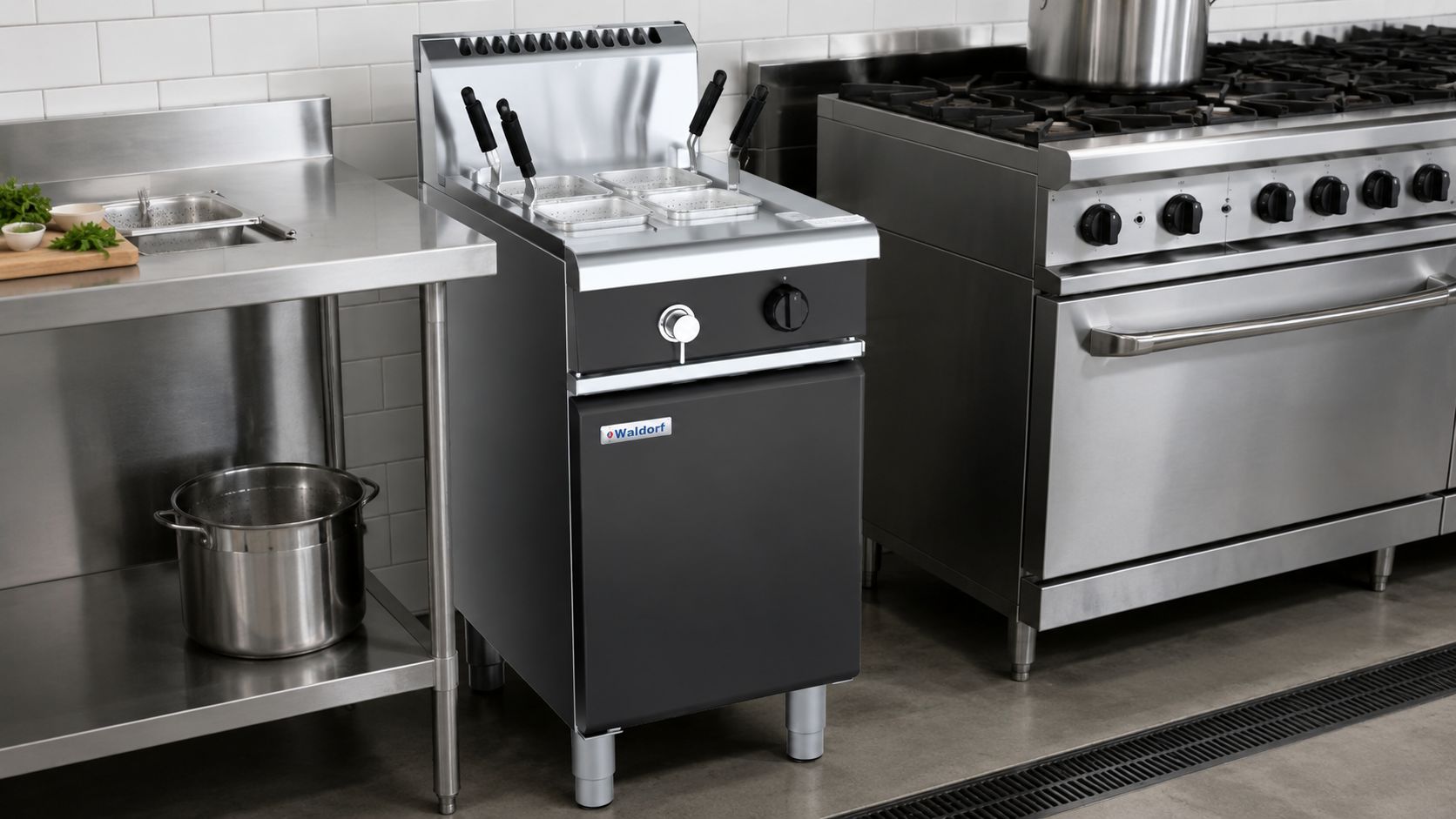
For a busy production kitchen, the question is whether the fuel format fits the station. Just as the Waldorf Bold PCB8140G - 450mm Gas Pasta Cooker depends on the right fuel system and bench layout, a torch needs a refill path, storage position, and hand feel that work during service.
In smaller NZ café kitchens, butane canisters also raise a storage question. If the only safe dry cupboard is already full of dry goods, gloves, and spare disposables, a refillable torch may be harder to keep tidy than it looks at purchase time. Choose the format that matches the bench, the storage space, and the way staff move through service.
Matching Torch Technique to Culinary Tasks
Different foods need different flame behaviour, so one torch setting will not suit every job. A chef finishing sugar on custard wants an even pass and tight control. A cook charring peppers wants wider coverage and a little more speed. The torch stays the same, but the technique changes the result.
How flame behaviour matches each finishing task
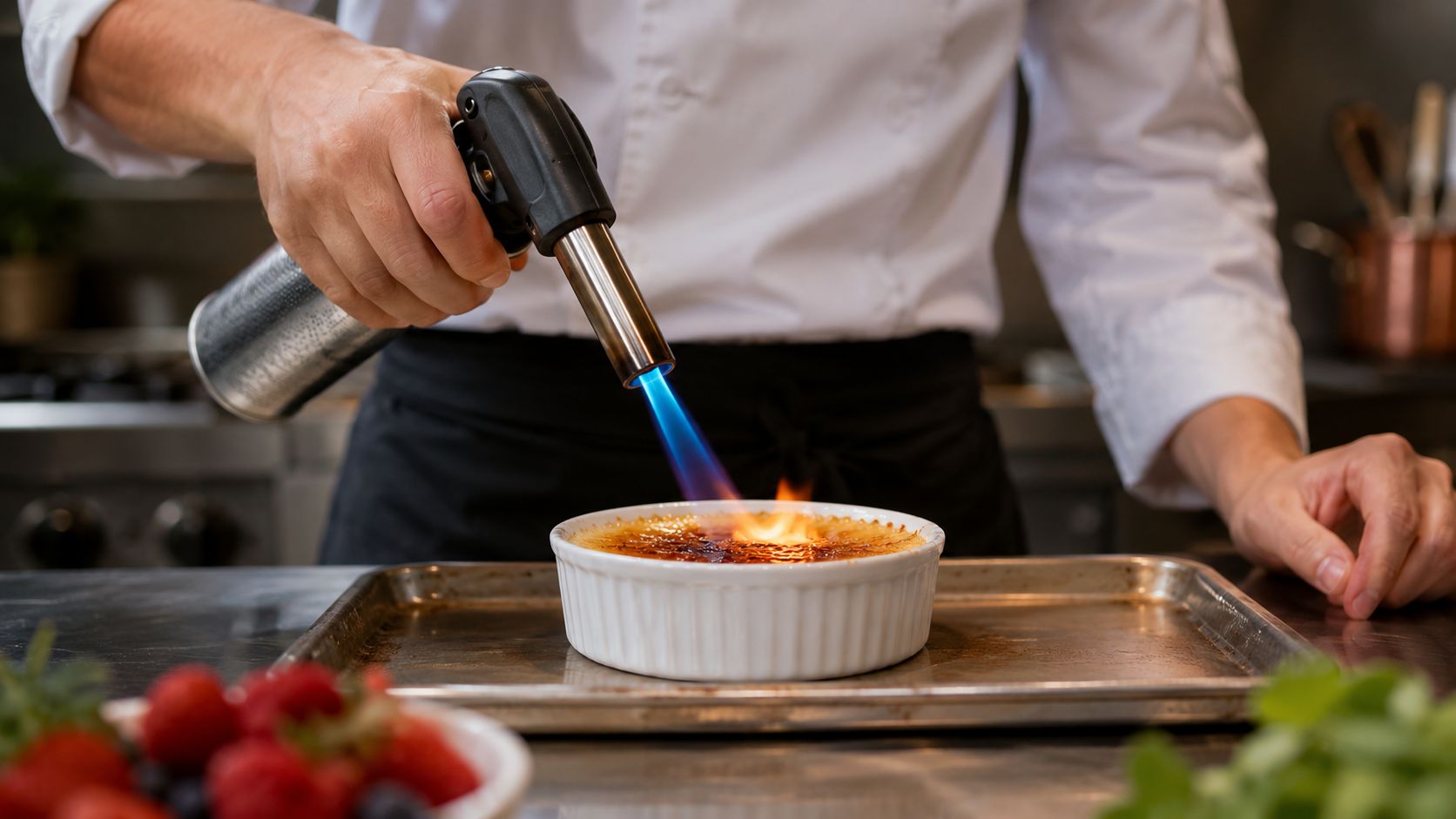
For crème brûlée, hold the flame close enough to melt the sugar evenly, then keep it moving so the surface colours without scorching. On a shallow sugar layer, the pass should be brief and steady. A heavier crust needs a little more dwell time, but parking the flame in one spot will leave bitter patches.
Toasting meringue asks for a softer touch. The surface can take colour quickly, so the torch should stay a touch further back and move in small sweeps. That helps avoid collapse or dark spots before the top has a chance to set.
Caramelising sugar rewards patience. The goal is an even crust, not a fast black top, so distance, movement, and flame intensity all matter. Operators who keep the torch in motion usually get cleaner results than those who hold it still.
Charring vegetables is different again. Peppers, leeks, and similar surfaces can take a hotter, broader pass, because the aim is to blister the outside without pushing heat too far into the flesh. A steady hand matters more than raw flame size.
Low-and-slow prep also changes how torching is used later. Kitchens that use sous vide cooking often finish proteins with a brief pass, just enough to colour the surface after the bag has done the cooking.
Keep the torch moving, shorten the dwell time, and let the colour build gradually.
Why handling matters
For finishing proteins and light browning, staff need a comfortable grip and a torch that does not twist in the wrist. A stable body and sensible trigger position help during repeated use. A small torch can work, but if the grip feels cramped, the finish usually suffers by the end of service.
Some kitchens keep two torch styles on hand, one smaller for precise dessert work and one more substantial for charring or broader passes. That makes sense when the torch is used across pastry, garnish, and hot line tasks. It lets the operator match flame shape to the job instead of forcing every dish through the same setting.
Features Worth Comparing Before You Buy
Buying a torch is easier when the checklist is practical. The goal isn't to compare marketing claims, it's to judge whether the unit will still feel dependable after weeks of service, refilling, cleaning, and storage. For hospitality buyers, that usually comes down to a few details that affect both speed and fatigue.
Compare the torch like a working tool
| Feature | What to look for | Why it matters |
|---|---|---|
| Ignition system | Piezo trigger, striker, or electric ignition | Faster starts reduce fuss during service |
| Flame adjustment | A smooth control wheel or gas regulator | Better control for desserts, browning, and charring |
| Grip and body shape | Comfortable, balanced, not top-heavy | Less wrist strain during repeated use |
| Stability | A stand or base that sits securely | Safer on a busy bench |
| Fuel format | Cartridge, refillable reservoir, or LPG hose | Must fit the kitchen's fuel logistics |
| Durability | Robust burner head and solid trigger action | Better for repeated commercial use |
| Parts and support | Easy access to replacement components | Reduces downtime if something wears out |
A torch that's awkward to refill often gets left unused until a rush exposes the problem. That's why ease of refilling or cartridge replacement matters as much as flame quality. If staff need to hunt for the right cartridge or deal with messy transfers, the torch will not be the first tool they reach for.
One consideration regularly discussed with buyers is total cost of ownership, not just the purchase price. A cheaper torch can become more expensive if it has poor ignition, hard-to-find fuel, or no sensible support when it wears. The biggest equipment buying mistakes often come from treating a tool as a one-off buy instead of part of the kitchen's workflow.
For kitchens that already think carefully about extraction and heat load, the same planning mindset helps here. The Kitchen Exhaust Hood article sits alongside the torch conversation because both are about managing heat, airflow, and usable bench space rather than just adding more equipment.
Safe Operation and NZ Compliance Basics
Blow torches combine open flame with pressurised fuel, so they need to be handled as proper kitchen tools, not casual gadgets. In NZ, that means storage, ventilation, and transport all matter, especially when spare cartridges or LPG cylinders are involved. The safest setups are the ones that fit the kitchen's own procedures, not the ones that rely on staff remembering a few loose rules.
Spare fuel should be stored upright, ventilated, and away from ignition and heat sources. Cylinders need to be secured against falling, and torch use should happen only where surrounding materials and décor have been cleared back. Good practice also means staff know where the extinguisher or fire blanket is, and they know basic burn first aid before the torch goes into regular service.
What to confirm before the torch reaches the line
- Manufacturer instructions: Follow the guidance for fuel compatibility, ignition, refilling, storage, and cooling before packing away.
- Ventilation: Keep airflow in mind, especially where a torch is used indoors for repeated finishing work.
- Storage position: Keep spare cylinders upright unless the design says otherwise.
- Transport: Check courier and freight rules before moving cylinders between sites.
- Venue limits: Confirm local council expectations before storing LPG above normal domestic quantities.
Fire and Emergency New Zealand says appliances with an open flame or flammable gas fuel must not be used in a building unless they're constructed, secured, and protected to minimise fire risk to the building and contents, which is why torch use should be treated as a controlled kitchen task, not an informal add-on. New Zealand health guidance also warns that blow torches can release hazardous fumes indoors when used on lead-based paint, which is a good reminder that ventilation and proper task selection matter whenever flame is involved. Fire and Emergency New Zealand building fire safety regulations and NZ lead-based paint safety guidance both point in the same direction, use the right tool in the right place, with the right controls in place.
Choosing the Right Torch for Your Venue
A good buying decision starts with the service style. A la carte restaurants with regular dessert output usually want a refillable butane torch with reliable piezo ignition, predictable flame adjustment, and a stable base. That gives the pastry section enough control for crème brûlée, meringue, and detail finishing without constantly swapping fuel.
Cafés and smaller kitchens often do better with a simple disposable cartridge torch if torch use stays occasional. That keeps the setup light and easy to store, provided the torch is still comfortable in the hand and the replacement fuel is easy to source. For banquet teams and event operators, trigger ergonomics and spare fuel on hand matter more because the torch may be used in longer, more repetitive service windows.
Pop-ups and food trucks need to think harder about storage, transport, and fuel limits. Compact formats are helpful, but only if the operator can store them safely and stay within the site's rules. If the torch will travel between venues, the fuel system needs to be as practical as the flame.
One question cuts through most of the noise: what will the torch be used for? That answer should decide whether the priority is fine control, broader flame coverage, easier storage, or faster refilling. For advice on torch fit-out, fuel compatibility, and how it sits alongside existing kitchen equipment, Hospitality also works through these choices with hospitality operators alongside related heat and prep equipment, including guidance on modular cookline planning such as the what we've learned from helping hospitality businesses choose equipment article.
If you're weighing up a blow torch NZ purchase, Hospitality can help you narrow it down to the right torch, fuel format, and accessories for your kitchen or venue. Visit Simply Hospitality to compare options and get practical advice before you buy.