

The hidden cost of slow prep (and how the right approach fixes it)
In hospitality, slow prep is one of those problems that hides in plain sight.
No one writes “prep inefficiency” on a whiteboard at the end of the day. It just shows up as longer hours, tighter services, tired staff, and a feeling that everything is always a bit rushed — even when the team is working hard.
The real issue isn’t effort. It’s the system. Let's dig into the hidden cost of slow prep.
Slow prep doesn’t feel slow — it just feels busy
Most kitchens don’t notice slow prep because something is always happening. Knives are moving, benches are full, and everyone looks occupied.
But busy doesn’t always mean efficient.
Slow prep usually looks like:
-
Extra minutes added to simple tasks
-
Prep spilling closer and closer to service time
-
Inconsistency depending on who is rostered on
-
Staff feeling behind before service even starts
Individually, these things seem minor. Together, they quietly erode time, margins, and morale.
The real cost goes beyond wages
Labour is the obvious cost, but it’s rarely the biggest one.
The hidden costs of slow prep include:
-
Rushed service because stations aren’t fully ready
-
Inconsistent portioning and food quality
-
Increased stress and fatigue before peak periods
-
Dependence on a few experienced staff to “make it work”
-
Limited ability to expand menus or volume
Over time, this creates pressure points that no amount of motivation or goodwill can fix.
Consistency is where time is actually saved
The kitchens that prep well aren’t necessarily faster — they’re more consistent.
Consistency means:
-
Tasks take roughly the same amount of time every day
-
Results don’t change dramatically between staff
-
Prep finishes when it’s meant to, not “when we catch up”
That consistency usually comes from a mix of clear processes, good layout, and the right tools supporting the team — not replacing them.
Where equipment helps (without becoming the focus)
Equipment shouldn’t be the headline — but it does play an important supporting role.
In prep-heavy kitchens, well-chosen tools:
-
Reduce repetitive manual work
-
Remove unnecessary variation
-
Help newer staff get up to speed faster
-
Free experienced staff to focus on cooking and service
For example, commercial prep solutions from brands like Robot Coupe are commonly used to support high-volume, repeatable prep tasks where consistency matters more than speed alone.
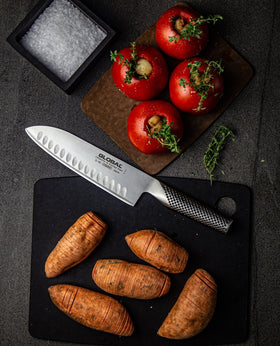
Likewise, sharp, reliable knives from brands such as Victorinox or Global reduce fatigue and make everyday prep feel less like hard labour and more like flow.
The key is that these tools support a system — they don’t define it.
Prep flow matters more than any single product
Even the best equipment won’t help if prep areas are poorly thought out.
Efficient prep spaces usually have:
-
Cold storage close to where ingredients are used
-
Clear bench space before and after prep tasks
-
Tools stored by frequency of use, not convenience
Good refrigeration placement, using fit-for-purpose units from brands like SKOPE or Atosa, helps keep ingredients within reach and reduces unnecessary movement — one of the biggest time-wasters in any kitchen.
Calm prep protects service
One of the biggest benefits of efficient prep is what doesn’t happen later.
When prep is under control:
-
Service starts calmer
-
Stations stay stocked
-
Communication improves
-
Mistakes drop
Customers never see the prep, but they absolutely feel the difference when a kitchen starts service ready rather than rushed.
Thinking long-term, not just today
Many businesses accept slow prep as “just how it is”, especially when things are busy. But slow prep rarely fixes itself.
Small improvements — whether that’s refining processes, rethinking layout, or introducing the right supporting tools — often return hours to a business each week.
Not all at once. Quietly. Reliably.
The Simply Hospitality perspective
At Simply Hospitality, we don’t see slow prep as a staffing issue or a motivation issue. It’s usually a systems issue.
When prep feels heavy, it’s often a sign that something in the workflow isn’t supporting the team. The solution isn’t always more equipment — but when equipment is part of the answer, it should slot naturally into how the kitchen already works.
The goal is simple: fewer rushed moments, more consistency, and a kitchen that feels ready when service begins.
Because when prep works, everything else gets easier.