

Best Hospitality Supplies NZ Guide
A lot of operators start looking for hospitality supplies in NZ when something has already gone wrong. The cups are nearly out, the dishwasher basket count no longer matches service volume, the kitchen is patching together old equipment, or an event order suddenly needs to move faster than usual. That's why the most useful way to think about supply isn't as a catalogue of products. It's as the system that keeps the venue trading properly every day.
For most venues, the main challenge isn't finding one item. It's building a supply setup that covers equipment, front-of-house presentation, cleaning, packaging, and repeat consumables without creating extra admin or service risk.
What Hospitality Supplies Really Means for Your NZ Venue
When operators search for hospitality supplies NZ, they often mean very different things. One venue needs a replacement underbench fridge. Another needs napkins, washroom paper, takeaway packaging, glassware, and cleaning chemicals on repeat. A hotel may also need accommodation furnishings, laundry-related items, and back-of-house storage.
That's why hospitality supplies should be treated as an operating framework, not a shopping list. The right products support workflow, hygiene, presentation, and staff efficiency. The wrong mix creates delays, stock gaps, clutter, and avoidable reordering pressure.

Back of house needs steady decisions
Back-of-house supply covers the items that keep production moving. That includes cooking equipment, refrigeration, prep tools, storage, dishwashing systems, benches, shelving, and food handling basics.
A common issue seen with new fit-outs and replacement purchases is buying each item in isolation. That often leads to mismatched capacities. A combi oven may suit service volume, but the refrigeration, tray sizes, holding space, or dishwashing throughput may not. Operators usually get better results when they assess kitchen flow as one connected system.
For a closer look at the wider category structure, this commercial kitchen supplies article is a useful starting point.
Front of house shapes the guest experience
Front-of-house supply affects what guests see, touch, and remember. Crockery, cutlery, glassware, barware, servingware, uniforms, and furniture all sit in this category.
Operators often focus on style first, but day-to-day service usually exposes the practical questions:
- Will it survive repeated commercial washing
- Can it be replaced consistently if breakages happen
- Does it stack cleanly in limited storage
- Will it still suit the venue if the menu evolves
Even simple items matter here. A coffee spoon, wine glass, or coupe plate becomes part of service rhythm very quickly.
Consumables are the category that never stops
The least glamorous products are often the most operationally important. In many venues, repeat orders are driven by washroom paper, cups and beverage consumables, napkins, cleaning chemicals, food packaging, and other general consumables.
Hospitality businesses often find that major equipment gets the attention, but consumables decide whether service runs smoothly this week.
These items don't just need a good unit price. They need dependable availability, sensible pack formats, and simple reordering. If staff are spending too much time chasing routine stock, the supply setup isn't working as well as it should.
Supplies also affect reputation and compliance
Supply decisions influence cleanliness, consistency, and how professional a venue feels. They also connect directly to sustainability goals and compliance requirements, especially in cleaning, food handling, dishwashing, and waste management.
The right solution depends on venue type, menu, staffing, storage, and service style. But the underlying point is the same. Hospitality supplies aren't separate from operations. They are the operating backbone.
Choosing Your Supply Partner What Matters on the Fiftieth Order
The strongest supplier relationships usually don't reveal their value on day one. A first order can look fine almost anywhere. The true test comes later, when a venue has urgent needs, routine repeat orders, product substitutions to manage, and a service period that won't wait.

The most successful hospitality operators rarely judge a supplier by their first order. They judge them by how they perform on the fiftieth order, when stock is needed urgently, consumables are running low and service matters just as much as price.
That idea matters because hospitality purchasing is repetitive by nature. It isn't only about one oven, one knife set, or one carton of takeaway containers. It's about whether the same supplier can keep helping when orders become routine, urgent, varied, and operationally important.
What actually matters over time
Price still matters. It just isn't the whole decision.
A practical supplier relationship is usually judged on a handful of things:
- Availability that matches real usage. Operators need core lines that are regularly reordered without constant chasing.
- Fast fulfilment when timing matters. Dispatch speed can be the difference between calm prep and service pressure.
- Clear communication. If something is delayed, changed, or unsuitable, the venue needs an answer quickly.
- Broad category coverage. Many operators prefer fewer accounts and fewer moving parts.
- Local understanding. NZ hospitality businesses deal with local freight realities, compliance expectations, and regional service pressures.
Some operators also benefit from reviewing wider purchasing processes, especially where several suppliers are involved. This guide on controlling restaurant supplier expenses is useful for thinking through supplier management from an operational perspective.
A rush order says more than a polished sales pitch
One recent example involved a Tauranga customer preparing for an upcoming event. Their order was placed on a Wednesday, and it was organised for dispatch on the 4 pm courier that same afternoon so it could arrive the following day. Courier timeframes can vary, and they don't always line up that neatly, but the practical lesson is clear. Responsive service matters most when timing gets tight.
That kind of situation is common in hospitality. Events change. Forecasts miss. A busy weekend burns through stock faster than expected. A supplier's value shows up in how they respond under pressure, not just in how tidy the first invoice looks.
Why local relationships still matter
A common consideration is whether working with a New Zealand-owned business makes a practical difference. In many cases, it does.
Local supplier relationships can make communication easier, improve responsiveness, and help with product continuity. They also support stronger links between importers, distributors, service teams, and the businesses using the products every day. That doesn't guarantee every item will always be available, but it often leads to better problem-solving when stock pressure or service issues arise.
Practical rule: Choose the supplier that can support repeat ordering, substitutions, and urgent service periods, not just the one that wins a single price comparison.
One factor often discussed with customers is simplification. Many operators choose to source equipment, consumables, chemicals, and front-of-house items through one account where practical. That reduces admin, makes reordering easier, and gives the venue a clearer purchasing history.
Even a modest product example shows the point. A venue standardising cutlery may want a pattern it can reorder consistently, such as the Tablekraft Gable Coffee Spoon 12 Pack, which features 18/10 stainless steel, a mirrored finish, teardrop-shaped handles, and dishwasher-safe construction.
For operators weighing what a full-service supplier relationship should look like in practice, this overview of trusted brands and support gives a useful picture of how ongoing supply can be handled across multiple categories.
A Practical Look at Key Hospitality Categories
Different supply categories fail in different ways. Kitchen equipment usually fails through capacity mismatch or poor workflow planning. Tableware tends to fail through breakage, replacement inconsistency, or the wrong style for service. Consumables fail when stock control is loose and nobody notices until service is close.
That's why selection advice needs to be specific to the category.

Commercial kitchen equipment
Equipment decisions should start with menu, service pattern, ventilation, utilities, and staff capability. Operators sometimes start with brand or footprint instead. That can work, but only if the kitchen's actual output requirements have already been thought through.
Gas versus electric is a typical example. Gas often suits operators who want immediate heat response and already have the right services in place. Electric can be attractive where consistency, installation preferences, or site constraints point that way. With combi ovens and general cooking lines, brands such as UNOX and Blue Seal are often considered because operators need dependable commercial options across different kitchen formats.
A common mistake is specifying oven capacity without checking tray workflow, holding space, extraction, and cleaning routines. If one piece of equipment speeds up production but creates a bottleneck elsewhere, the kitchen hasn't really improved.
For operators reviewing cold storage alongside cooking equipment, this commercial fridge article is relevant because refrigeration capacity often determines how well the rest of the kitchen can perform.
Tableware and presentation
Front-of-house items need to work hard without looking utilitarian. That's the balance.
Bonna, Luigi Bormioli, RCR, Ocean, Pasabahce, and similar commercial hospitality brands are typically considered when operators want presentation with commercial practicality. The right choice depends on venue tone, replacement needs, dishwasher load, and how much stacking and transport the items will handle.
A quick comparison helps:
| Category | What to prioritise | What often goes wrong |
|---|---|---|
| Plates and bowls | Durability, stackability, consistency across replacements | Buying a style that chips easily or becomes difficult to match |
| Glassware | Rim feel, wash performance, storage fit | Choosing styles that look good but don't suit service pace |
| Cutlery | Weight, finish, dishwasher suitability, pattern continuity | Mixing patterns over time and losing a cohesive table setting |
Good front-of-house supply choices should still make sense after hundreds of washes, not just on delivery day.
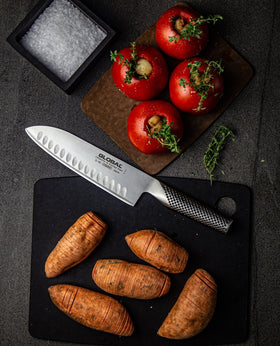
Knife selection also deserves more attention than it often gets. Kitchen teams usually need shapes and weights that match prep volume and hand feel.
Consumables and repeat ordering discipline
In many venues, the highest repeat order categories are washroom paper products, beverage cups, and napkins. Food packaging, cleaning chemicals, bin liners, gloves, and general disposables often sit right behind them.
Many hospitality operators find that consumables work best when they're standardised. Too many near-identical lines create ordering mistakes, storage inefficiency, and confusion for staff. One simple tip is to reduce optionality where guests won't notice the difference but staff definitely will.
This is one area where a broad supplier range can be practical. Hospitality supplies equipment, cleaning chemicals, front-of-house items, disposables, and other venue essentials under one account structure, which suits operators trying to simplify regular purchasing rather than split it across multiple suppliers.
Managing Costs Compliance and Long-Term Value
The cheapest purchase price can still become the most expensive decision in the kitchen. That's the basic idea behind total cost of ownership. Operators don't live with the invoice alone. They live with installation constraints, downtime, cleaning time, replacement frequency, staff frustration, and service disruption.

Looking past the upfront spend
A practical buying conversation usually includes questions like these:
- How often will the item be used
- How easy is it to clean properly
- Will it integrate with the site's current services
- What happens if it fails during a peak period
- Can replacement parts, baskets, trays, or matching accessories be sourced easily
One factor regularly discussed with customers is whether to buy new or consider certified used equipment. The right answer depends on budget, application, risk tolerance, and how critical the item is during service. For some categories, certified used can make sense if condition, warranty support, and suitability are clear. For other categories, operators prefer new equipment for consistency, specification certainty, and support reasons.
Finance can also play a role. Rather than compromising on specification, some venues choose a finance option such as SilverChef so they can access the equipment they need without carrying the full upfront cost immediately. That doesn't make every premium item the right choice, but it can widen the decision beyond the cheapest short-term option.
Compliance affects purchasing more than many operators expect
Food safety and cleaning requirements directly shape what equipment is suitable. Dishwashing is a good example.
In New Zealand food premise standards, hot water sanitisation requires a minimum temperature of 77°C for at least 30 seconds, which means commercial dishwashing equipment needs to be chosen with that requirement in mind according to the food premises and equipment standard. That isn't just a technical detail. It affects dishwasher specification, site services, and operating procedures.
A dishwasher isn't only a labour-saving purchase. It's also part of the venue's food safety system.
Brand and model selection matter. Operators comparing a commercial dishwashing setup, including brands such as Winterhalter, need to think about cycle demands, rack throughput, water conditions, staff use, and whether the machine aligns with sanitation requirements in the actual operating environment.
Long-term value usually comes from fit, not excess
Overbuying can be just as expensive as underbuying. A larger machine, higher-spec appliance, or broader battery of features only adds value if the venue will use it.
A better approach is usually to match specification to service reality:
- For compact venues: Prioritise footprint, cleaning access, and multi-function equipment.
- For high-volume kitchens: Focus on throughput, recovery time, and serviceability.
- For replacement purchases: Check whether the existing problem is wear, undersizing, or poor workflow.
- For energy-conscious operators: Review equipment options with operating efficiency in mind, not just initial purchase cost.
This energy-efficient appliances article is useful for operators who want to factor longer-term operating considerations into equipment planning.
Tailored Supply Strategies for Your Hospitality Business
A restaurant, motel, school kitchen, and event caterer may all buy from the same broad supply universe, but they won't buy in the same way. The most practical supply strategy depends on the venue's service model, storage space, staffing, and how predictable demand is.
Restaurants and cafés
Restaurants and cafés usually need balance. They want kitchen efficiency, presentable front-of-house settings, and repeat consumables that don't create admin drag.
A café may put more pressure on cups, lids, napkins, takeaway packaging, glassware, and small countertop equipment. A restaurant may care more about plate consistency, cutlery durability, refrigeration reliability, prep flow, and dishwashing throughput. In both cases, repeat ordering matters because stock turns quickly on the consumable side while equipment decisions stay in place for much longer.
Many operators choose to standardise the products that move every week. That tends to simplify ordering and reduce mistakes when different team members place orders.
Hotels motels and accommodation providers
Accommodation businesses usually need a broader mix. Their supply profile often crosses kitchen and bar equipment, buffet or breakfast service items, washroom products, cleaning chemicals, laundry-related items, room consumables, waste systems, and furnishings.
That wider footprint makes consolidation more useful. One factor often discussed is whether the business can reduce admin by grouping categories under one supplier relationship where practical. For accommodation providers, that isn't just a purchasing convenience. It can help managers keep better oversight across housekeeping, food service, and guest-facing areas.
When a venue buys across several departments, the best supply strategy is often the one that makes ordering simpler for staff, not the one that creates the most line-item complexity.
Caterers institutions and event-based operators
Caterers and institutions often operate under different pressures. Durability, compliance, storage discipline, and planning accuracy matter a lot. Schools, hospitals, aged care facilities, marae, and event caterers all need products that are dependable and suited to repeated commercial use.
For mobile service, pop-ups, and event work, a bundled purchasing approach is often the most practical. Instead of sourcing equipment from one place, chemicals from another, and consumables from a third, many operators prefer a single account that covers multiple categories. It reduces administration, makes reordering easier, and lowers the chance that one forgotten line item causes trouble during setup.
The right solution depends on the shape of the business. A neighbourhood café may need simple repeatability. A hotel may need category breadth. An institutional kitchen may prioritise thorough specification and straightforward compliance support. A caterer may need flexible ordering built around dates and changing volumes.
Making Your Next Supply Decision an Easy One
Smart purchasing starts with a simple shift in thinking. Hospitality supplies aren't just products to tick off a list. They're the items, systems, and repeat orders that determine whether a venue can trade smoothly without unnecessary friction.
That's why supplier choice matters as much as product choice. A good relationship helps with availability, fulfilment speed, product continuity, category coverage, and day-to-day support when orders become urgent or repetitive. Price still belongs in the conversation, but it shouldn't be the only filter.
A common mistake is treating every order as a separate transaction. That usually leads to fragmented purchasing, more admin, and a weaker view of what the business needs over time. Operators tend to make better decisions when they look at workflow, repeat ordering, cleaning, compliance, and replacement planning together.
For many venues, the practical wins come from a few straightforward habits:
- Review repeat-order categories: keep core consumables consistent.
- Buy for service reality: choose equipment that suits actual output and staffing.
- Check compliance early: especially where dishwashing, sanitation, and food safety are involved.
- Reduce supplier sprawl: where possible, simplify ordering across categories.
- Assess support over time: judge the relationship by performance on ordinary and urgent orders alike.
Operators wanting a broader perspective on practical equipment decision-making may find this article on what helping hospitality businesses choose equipment has taught us worth reading.
The easiest next decision is rarely the one with the shortest quote. It's the one that leaves the venue better organised, easier to run, and less exposed when service gets busy.
If help is needed choosing the right equipment, consumables, or broader supply setup for a venue, Simply Hospitality can assist with practical advice, product selection, and quoting across hospitality categories.