


Choosing Commercial Bin Liners: A Cost Guide for 2026
You can tell a liner problem is costing more than the carton price the moment a kitchen team starts doubling bags, tying off split liners, or calling for an extra clean-up between services. In hospitality, choosing commercial bin liners is really about fit, waste type, and reliable handling, because the wrong liner creates mess, rework, and avoidable disposal costs long after the purchase order is signed.
Why Bin Liner Selection Matters More Than Unit Price
A service shift is in full swing, the kitchen bin is being changed again, and the liner that looked fine on paper tears as it's lifted free. Staff reach for a second bag, or the spill gets wiped up before the next tray comes through. That looks minor until it repeats across a busy venue, then it becomes a steady operating cost.
The cheapest carton rarely stays cheap once the liner starts failing in use. A liner that splits after a few changes can lead to double-bagging, extra cleaning, and more frequent changes, which wipes out the saving you thought you made at the buying stage. That's why procurement for bin liners should be treated like any other consumable tied to workflow, as explained in the guide to buying cheap vs buying once when equipment saves money.
Practical rule: focus on what each bin change costs once you factor in staff time, failures, and waste handling, not just what the carton costs.
In New Zealand hospitality, that matters even more because waste streams and collection rules differ from site to site. Government guidance now expects councils that provide kerbside recycling, food scraps, or FOGO services to follow national materials guidance from 1 February 2024, and it says councils may choose whether compostable bin liners are accepted in food scraps and FOGO bins (Ministry for the Environment guidance). The right liner is not only about durability, it also needs to suit the waste path used by the site.
A commercial habit to avoid is buying the first acceptable liner and hoping it works everywhere. The better approach is to match the liner to the waste stream, the bin, and the disposal pathway, then check whether the spec holds up in daily use.
Bin Dimensions and Actual Fit
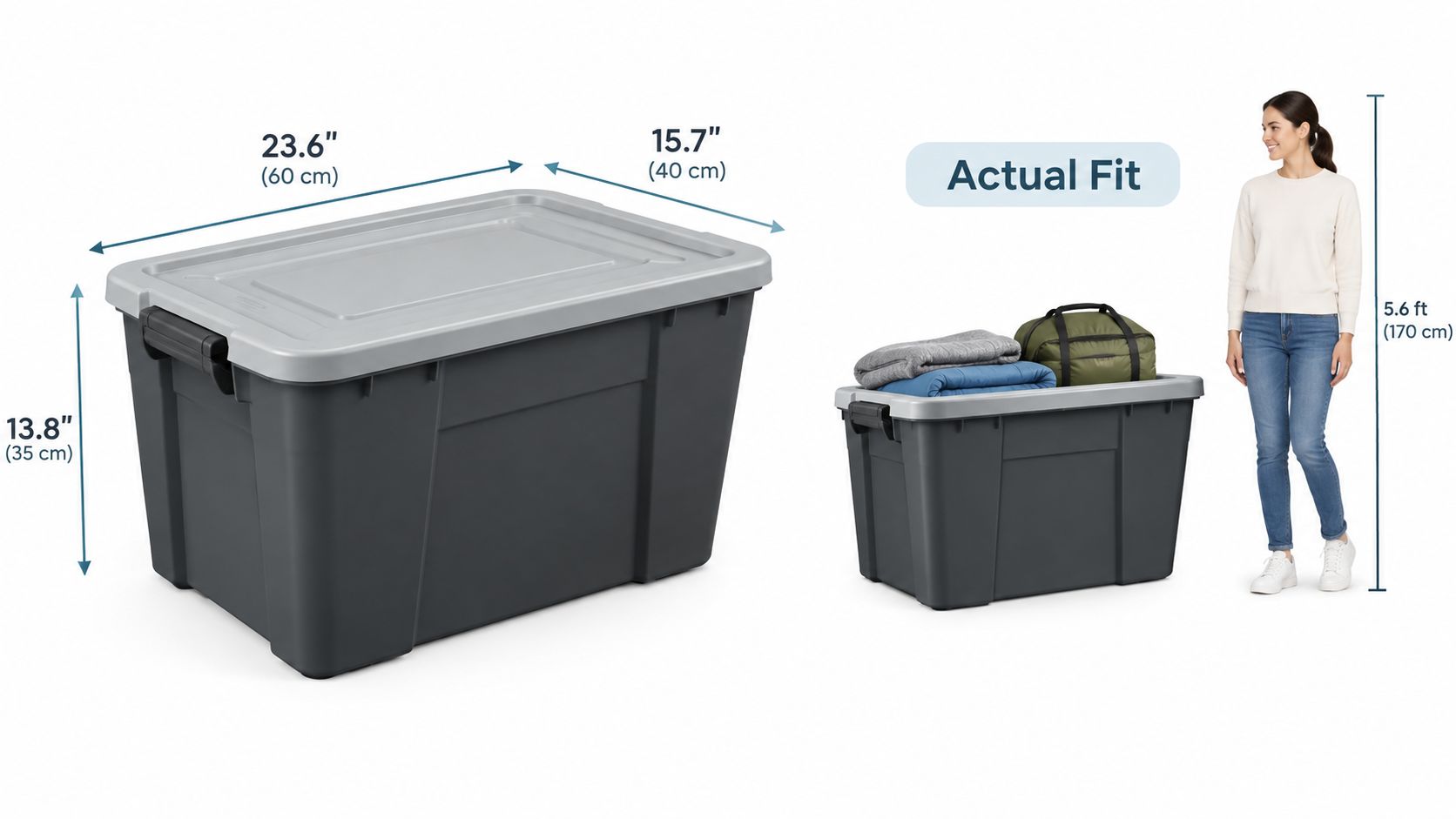
Why nominal litres can mislead
A 120 L bin and a 120 L bin liner do not automatically belong together. Two bins with the same nominal capacity can have different heights, rim widths, and rim shapes, which changes how the liner hangs and how securely it folds over the top. That's why bin fit is a measurement job, not a guess.
The simplest reliable check is to measure the bin from base to rim, then check the opening width or diameter and the circumference around the lip. The liner needs enough overhang to stay put when staff pull it out full, and enough slack to avoid slipping into the container mid-service. A poor fit can bunch up, slide down, or tear where the liner is being tugged against the rim.
Measure the bin first, then check the liner spec sheet. A label that looks right isn't the same as a liner that actually sits right.
What to check before ordering
A quick fit check saves a lot of frustration later. Hospitality teams usually get better results when they confirm the following before placing a full order:
- Bin height: make sure the liner has enough depth to sit properly and still fold over the rim.
- Opening width or diameter: check that the liner opens wide enough without overstretching.
- Rim circumference: this tells you whether the liner can be secured without pulling tight at the corners.
- Expected fill level: a bag that's regularly filled near the top needs more allowance than one changed early.
This is also where a trial carton makes sense. If a liner fits neatly in the back-of-house bin but slips in front-of-house, the issue is usually the bin shape or handling pattern, not the carton label. For more on how bin fit affects storage and handling in venue operations, see Simply Hospitality's storage container advice for kitchen planning.
Gauge, Thickness, and Material Strength
Thickness helps, but it isn't the whole story
In NZ purchasing guidance, 25 microns sits in light-duty territory, 30 microns is standard duty, 40 microns is the most common general-purpose commercial grade, and 50 microns is heavy duty for commercial waste, with thicker options reserved for rubble or construction-type loads (commercial bag guidance). That range matters because thickness directly affects resistance to puncture, stretching, and wet load stress.
For kitchens and hospitality sites dealing with food scraps, packaging corners, and frequent overfilling, moving from 25 to 30 microns up to 40 to 50 microns can materially reduce rip-and-leak risk. The aim isn't to specify the heaviest bag everywhere, it's to match the liner to the actual waste without paying for excess material in every small bin.
Strength follows the waste, not the label
Thickness alone doesn't tell the whole story. Material construction, seam quality, seal design, and the type of waste all affect real-world performance. A liner built for light dry waste may be perfectly adequate in an office bin and completely wrong in a kitchen where liquids, sharp corners, and heavy food waste are common.
That's why it makes sense to think in terms of enough strength for the application, not maximum strength by default. A heavier liner can be justified where waste is wet or awkward, but the same specification across every front-of-house bin can just add unnecessary material use. For operators comparing consumable formats, the same principle applies across packaging choices, including vacuum packaging bag selection, where fit and intended use matter as much as thickness.
Matching Liners to Different Hospitality Areas
Commercial kitchens put the harshest demands on a liner. Food scraps, wet trim, mixed packaging, and uneven waste loads create more chance of puncture and leakage than a light-duty bin ever will. In those areas, a sturdier liner is often justified because the cost of a split bag is not just the liner itself, it's the clean-up and handling that follow.
Bars need a more selective approach. Glass and bottle waste should follow the right recycling or collection pathway rather than just going into a general-waste liner, while other bar waste can still be wet and relatively heavy. Guest rooms and accommodation are usually a different story, because the waste volume is often lighter and an oversized liner can just burn through consumables without improving performance.
Front-of-house and office bins usually sit at the lighter end of the scale, but that doesn't mean they should all share the same spec. A reception bin, a back office bin, and a café service point can all generate different waste patterns even if they're similar in size. One consideration we regularly discuss with customers is whether menus, service styles, and occupancy levels have changed what the bin needs today.
For nuisance control, some operators also link liner choice with better bin hygiene and storage routines. The practical thinking behind trash bin pest prevention tips aligns with that same discipline, keep the waste stream as contained and predictable as possible.
Understanding True Cost Per Bin Change
The carton price is only the start. What matters operationally is cost per bin change, because that captures the way the liner is used in the venue. If a cheaper liner gets doubled up, replaced early, or causes clean-up time after a tear, the apparent bargain disappears quickly.
The cost model that matters
A useful way to assess a liner is to look at three things together:
- How many liners are used per change
- What each liner costs
- How often the bin is changed
That gives a much clearer picture than dividing carton price by quantity and stopping there. If a liner splits often enough that staff instinctively double-bag it, the effective cost per bin change has already risen, even before the cleaning labour is counted.
For illustration only, if Liner A costs 15 cents each but is routinely doubled, the effective cost becomes 30 cents per bin change. If Liner B costs 22 cents each and is used singly with confidence, the effective cost is 22 cents per bin change. In that scenario, the stronger liner is the cheaper one in practice.
Failures create hidden costs
The hidden costs are usually the ones that operators feel before they see them on a spreadsheet. Torn liners mean extra cleaning. Leakage means staff time spent on the floor instead of service. Poor fit means bins are changed earlier than needed, or half-empty bags are removed because no one trusts the liner to hold any more weight.
For venues trying to tighten consumable spend, a simple usage audit usually beats a purchasing hunch. For washroom consumables, Simply Hospitality's advice on reducing consumable costs in washrooms follows the same logic, measure actual use before changing specification.
Disposal Pathways and Compliance in New Zealand
A liner only works if it matches where the waste goes. In New Zealand, territorial authorities that provide kerbside recycling, food scraps, or FOGO services must follow national standard materials guidance from 1 February 2024 (national materials guidance). Councils can still decide whether compostable bin liners are accepted in food scraps and FOGO bins. For hospitality operators, the practical test is simple, the claim on the carton only matters if the receiving system accepts it.
Compostable is not a universal answer
A compostable label does not solve a disposal problem on its own. The Ministry also says Aotearoa currently has no standard for what can be labelled as compostable packaging, while the most common recognised certifications used here include AS 4736, EN 13432, ASTM D6400/D6868, and home-composting standards such as AS 5810. That means the carton label is only the starting point. The key question is whether the liner is certified for the disposal pathway your venue uses.
For organics collections, the safer choice is a liner that matches the council rules and the receiving facility's requirements. If the certification does not line up with that pathway, the liner can create contamination rather than solve it. That is a poor trade-off for any venue trying to keep waste handling tidy and predictable.
Separation makes the whole system easier
Clear separation works best when the liner matches the collection setup. Some venues use different liners or bin setups for general waste, food waste, recycling, glass, and other streams. That can help staff sort correctly, but only when it reflects the site's real collection arrangements and disposal contracts.
Food handling rules sit alongside that same practical mindset. Simply Hospitality's NZ food safety regulations article is a useful reference point here, because clean systems work best when staff can follow them without guessing.
A Practical Seven-Step Selection Framework
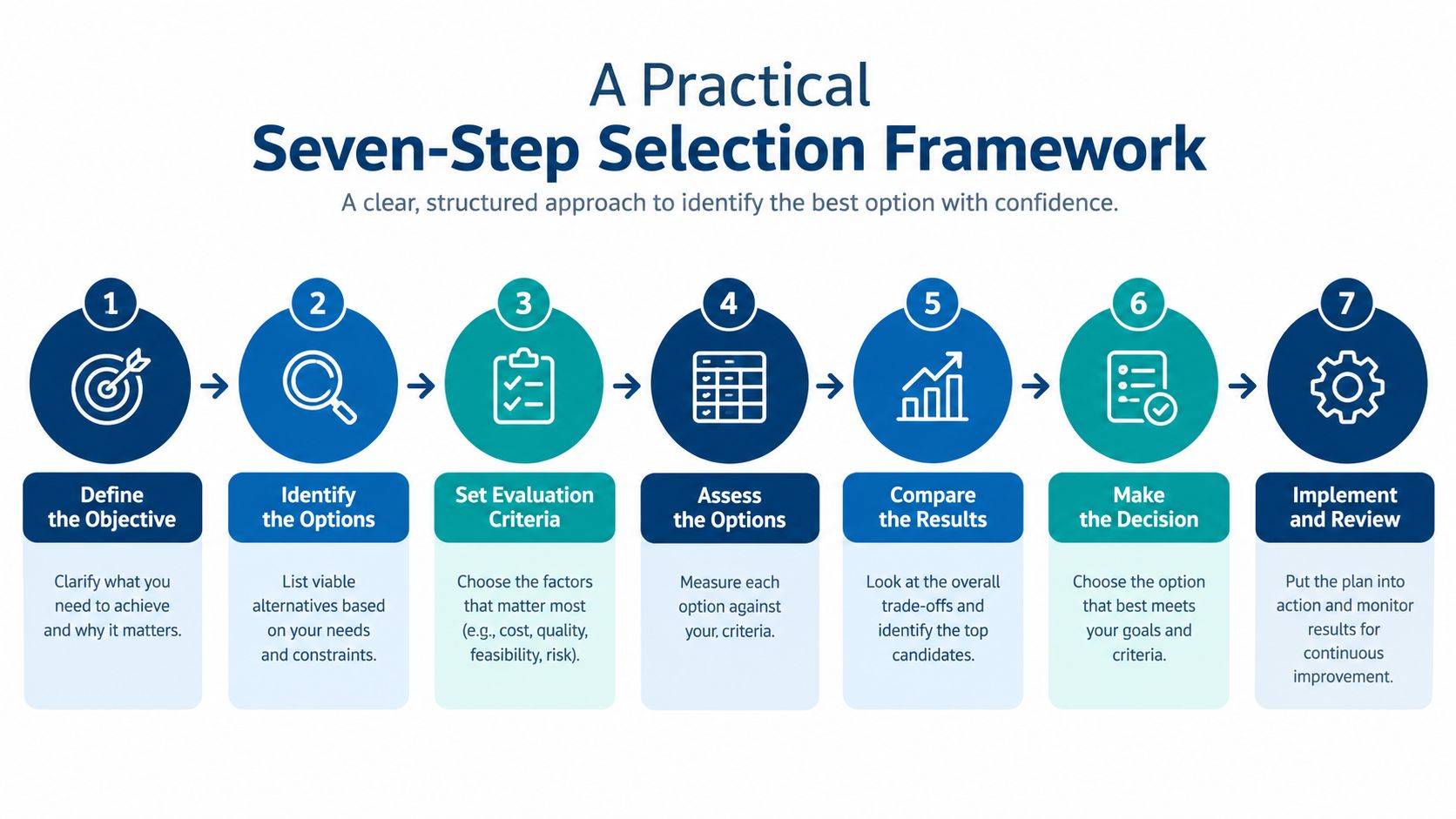
Start with the bin, not the catalogue
- Identify the bin. Confirm the exact location and purpose, because a kitchen bin and a guest-room bin rarely need the same liner.
- Measure it. Check height, opening width or diameter, and the rim where the liner has to sit.
- Identify the waste. General waste, food scraps, recycling, and bar waste all behave differently.
- Assess weight and moisture. Wet and awkward waste needs more resilience than light, dry waste.
- Choose the liner strength. Pick the lightest appropriate liner that still handles the load reliably.
- Measure actual use. Track changes per day, fill level, double-bagging, tearing, and leakage.
- Adjust if needed. Refine the spec when the data shows a mismatch.
That process turns bin liners from an automatic reorder into a measurable purchasing decision. It also helps venues avoid the two most common mistakes, specifying too much liner where it isn't needed, or not enough where the waste stream demands more.
A short audit across representative trading days is usually enough to expose the true pattern. Record bin location, liner used, changes per day, typical fill level, waste type, and any failures or double-bagging. After that, the next order is based on actual behaviour, not habit.
The commercial logic becomes clear here. The best liner isn't the thickest or the cheapest, it's the lightest appropriate liner that fits the bin properly and reliably handles the waste inside it. Hospitality operators can help source bin liners, waste bins, and related cleaning supplies that fit real hospitality use, so operators can review the options and order through Simply Hospitality with a spec that matches the job.